
🕊️ Remembering Editor-in-Chief Mike Tepper
Sept. 1941 – Feb. 2024
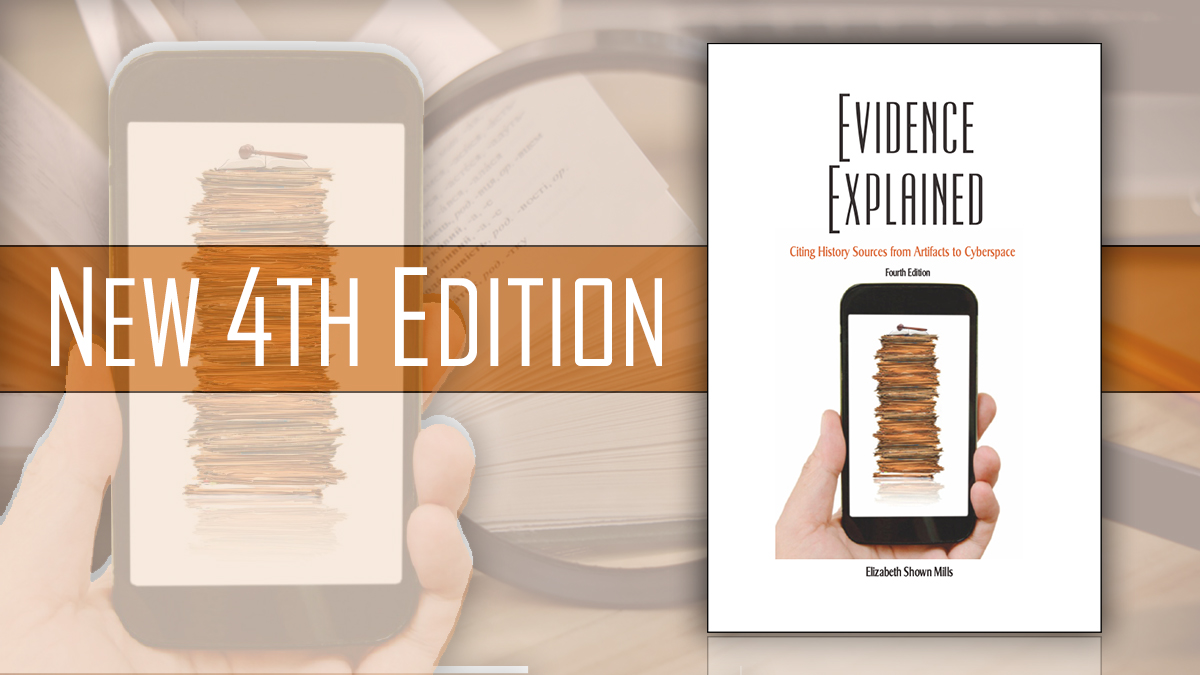
Announcing the New 4th Edition of…
EVIDENCE EXPLAINED
Citing History Sources from Artifacts to Cyberspace
By: Elizabeth Shown Mills
– EVIDENCE EXPLAINED –
Now Available as an eBook
If you bought the print book from us, look for a special offer in your email!
- Mirrors the print book, page for page
- Complements the print book – like having an every word index
- Eases the burden of travel
- Only option outside the US
New and Featured Books included in My GPC Library Subscriptions
-
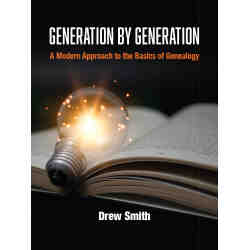 Generation by Generation
 -
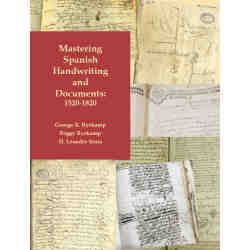 Mastering Spanish Handwriting and Documents: 1520-1820
 -
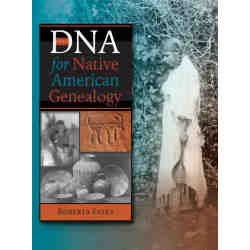 DNA for Native American Genealogy
 -
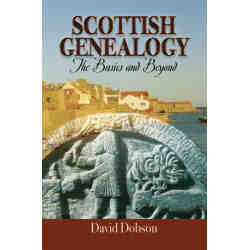 Scottish Genealogy
 -
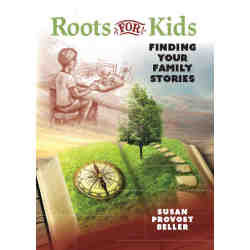 Roots for Kids: Finding Your Family Stories
 -
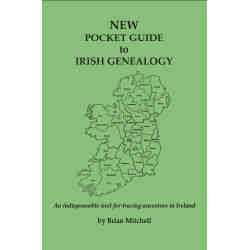 New Pocket Guide to Irish Genealogy
 -
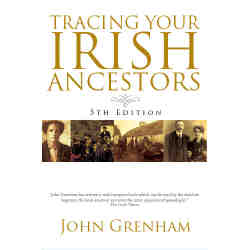 Tracing Your Irish Ancestors. 5th Edition in Hardcover
 -
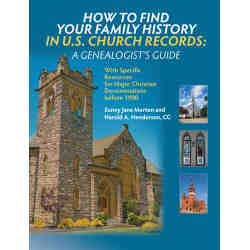 How to Find Your Family History in U.S. Church Records
 -
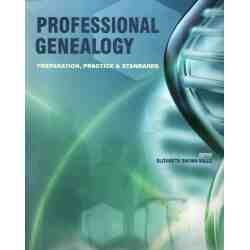 Professional Genealogy: Preparation, Practice & Standards
 -
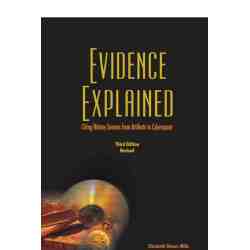 Evidence Explained
📚 Access 800 tested titles from our 70 years of publishing
Click Here to View My GPC Library Subscriptions
NOTE: Print book delays: click here to read notice
3-Day Sale on Northern Irish (Scots-Irish) Titles
Save 20% Through Thursday, May 2nd
-
Product on sale
 The Book of Ulster SurnamesOriginal price was: $34.95.$27.96Current price is: $27.96.
 -
Product on sale
 SCOTS-IRISH LINKS, 1525-1825: CONSOLIDATED EDITION. In Two VolumesOriginal price was: $165.00.$132.00Current price is: $132.00.
 -
Product on sale
 The People of Derry City, 1930Original price was: $34.00.$27.20Current price is: $27.20.
 -
Product on sale
 Genealogy at a Glance: Scots-Irish Genealogy Research$5.56 – $8.76
 -
Product on sale
 Families of Antrim, New Hampshire$23.16 – $38.80
 -
Product on sale
 A New Genealogical Atlas of Ireland. Second Edition$11.96 – $30.00
 -
Product on sale
 Scotch-Irish Migration to South Carolina, 1772$11.16 – $19.40
 -
Product on sale
 The Top 300 Surnames of Derry-LondonderryOriginal price was: $18.00.$14.40Current price is: $14.40.
 -
Product on sale
 The Place Names of County DerryOriginal price was: $22.50.$18.00Current price is: $18.00.
 -
Product on sale
 The People of Derry City, 1921Original price was: $27.50.$22.00Current price is: $22.00.
 -
Product on sale
 The Surnames of North West IrelandOriginal price was: $49.95.$39.96Current price is: $39.96.
 -
Product on sale
 Defenders of the Plantation of Ulster, 1641-1691Original price was: $24.25.$19.40Current price is: $19.40.
 -
Product on sale
 Searching for Scotch-Irish Roots in Scottish Records, 1600-1750Original price was: $25.95.$20.76Current price is: $20.76.
 -
Product on sale
 The Irish Scots and the “Scotch-Irish”Original price was: $24.25.$19.40Current price is: $19.40.
 -
Product on sale
 Chronicles of the Scotch-Irish Settlement in Virginia, Extracted from the Original Court Records of Augusta County, 1745-1800Original price was: $207.00.$165.60Current price is: $165.60.
 -
Product on sale
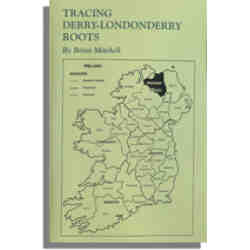 Tracing Derry-Londonderry RootsOriginal price was: $19.25.$15.40Current price is: $15.40.
 -
Product on sale
 Derry-Londonderry: Gateway to a New WorldOriginal price was: $13.50.$10.80Current price is: $10.80.
 -
Product on sale
 Irish Genealogical Abstracts from the Londonderry Journal, 1772-1784Original price was: $33.00.$26.40Current price is: $26.40.
 -
Product on sale
 The Scotch-Irish in AmericaOriginal price was: $67.25.$53.80Current price is: $53.80.
 -
Product on sale
 The Scotch-IrishOriginal price was: $90.00.$72.00Current price is: $72.00.
Best Sellers
-
How to Find Your Family History in U.S. Church Records$21.50 – $31.95
-
Tracing Your Irish Ancestors. 5th Edition in Hardcover$27.50 – $41.00
-
Evidence Explained$62.95
-
Professional Genealogy: Preparation, Practice & Standards$62.95
-
 Evidence Explained. 4th Edition$47.50 – $65.00
 -
 The Researcher’s Guide to American Genealogy$38.00 – $65.95
 -
 Map Guide to the U.S. Federal Censuses, 1790-1920$40.95 – $67.50
 -
 My GPC LibraryFrom: $45.00 every 3 months
 -
 International Vital Records Handbook. 7th Edition$58.95 – $104.00
 -
 Evidence!$13.50 – $23.50
 -
 State Census Records$15.50 – $25.25
 -
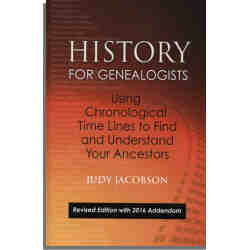 History for Genealogists, Using Chronological Time Lines to Find and Understand Your Ancestors. Revised Edition$27.00 – $56.95
 -
 In Search of Your German Roots$13.50 – $33.50
 -
DNA for Native American Genealogy$24.95 – $34.95
-
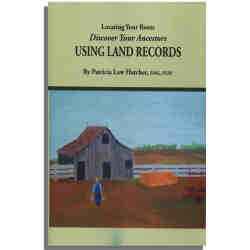 Locating Your Roots: Discover Your Ancestors Using Land Records$44.00
 -
 Finding Italian Roots. Second Edition$12.95 – $22.50
 -
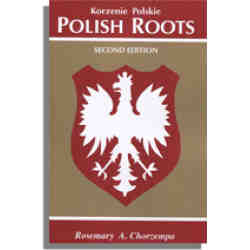 Polish Roots. Second Edition$17.95 – $40.00
 -
New Pocket Guide to Irish Genealogy$17.95 – $26.50
-
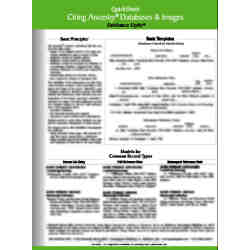 QuickSheet: Citing Ancestry Databases & Images Evidence Style, Second Edition, Revised$12.50
 -
Scottish Genealogy$18.95 – $27.95
New Releases & Latest Reissues
-
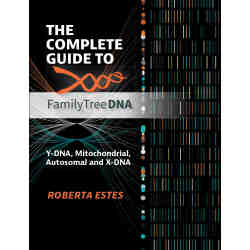 The Complete Guide to Family Tree DNA$24.95
 -
 Scottish Soldiers in Colonial America, Part Eight$32.00
 -
Evidence Explained. 4th Edition$47.50 – $65.00
-
 “Famous for inventing Lies”: Pennsylvania Runaways, 1784-1790$58.00
 -
 Subscription Gift Certificates$45.00 – $135.00
 -
 The People of the Northern Highlands, 1600-1699$29.50
 -
 The People of Argyll, Bute, and Dunbarton, 1600-1699$31.00
 -
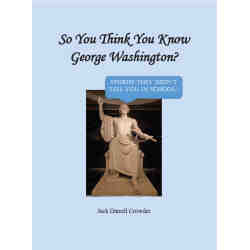 So You Think You Know George Washington?$45.00
 -
 Irish Emigrants in North America: Consolidated Edition. Parts One to Ten$85.00
 -
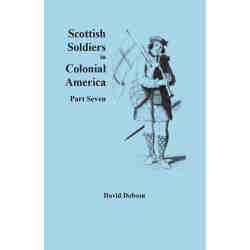 Scottish Soldiers in Colonial Amerca, Part Seven$28.00
Recent Blog Posts
- ‘Generation by Generation’ Helps Genealogists Focus on Objectives and Stay Organized
- Having Fun with Genealogy – A Look at Genealogical Humor | By Carolyn L. Barkley
- Free Newspapers for German Genealogy
- REVOLUTIONARY WAR HISTORY, by Jack Darrell Crowder
- More New Books from David Dobson
- Early Reviews of Evidence Explained Fourth Edition are Glowing